
By Justina Jarrige|Senior Marketing Specialist
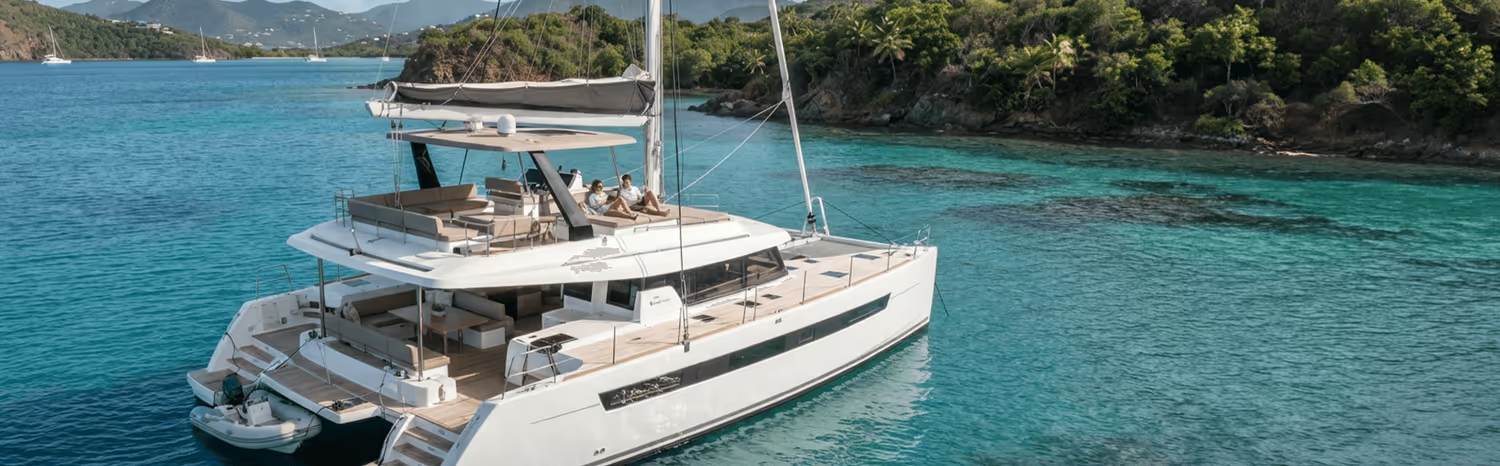
What is included in a yacht charter depends on the pricing terms in the contract. An all-inclusive crewed yacht charter usually covers the yacht, a professional crew, chef-prepared meals, a standard bar, fuel within agreed limits, and the water toys on board. Taxes, cruising fees, and crew gratuity are often extra.
This guide is for you if you are planning a weeklong private yacht vacation and comparing quotes. It explains what each pricing model covers, where extra costs appear, and how to check a specific yacht before you sign.
The term all-inclusive also carries a narrower meaning than it does at a resort. In yacht chartering, it refers to a contract with defined limits. The alternative, a plus-expenses charter, separates the yacht and crew from the running costs of the trip.
What is Included in a Yacht Charter on All-inclusive Terms
On an all-inclusive crewed yacht charter, the weekly rate bundles the yacht, the crew, and most day-to-day costs into one figure. In the Caribbean, these charters often use Caribbean terms inclusive, a contract style associated with the Charter Yacht Brokers Association (CYBA). These terms are widely described as a mostly all-inclusive package, with fuel for about four hours of cruising each day.
The yacht's listing and the signed agreement decide the details. Within those limits, an all-inclusive rate commonly covers the following:
The private yacht. You have exclusive use of the yacht, its cabins, its deck spaces, and its onboard systems for the charter period.
The captain and crew. Crew wages, crew food, and the yacht's insurance sit inside the rate on both all-inclusive and plus-expenses terms.
Meals. On yachts that carry a chef, breakfast, lunch, dinner, and snacks are prepared on board and planned around your preferences.
A standard bar. This usually means soft drinks, local beer, and table wines. Premium labels are often charged separately.
Fuel within limits. Many all-inclusive contracts include fuel for roughly four hours of cruising per day.
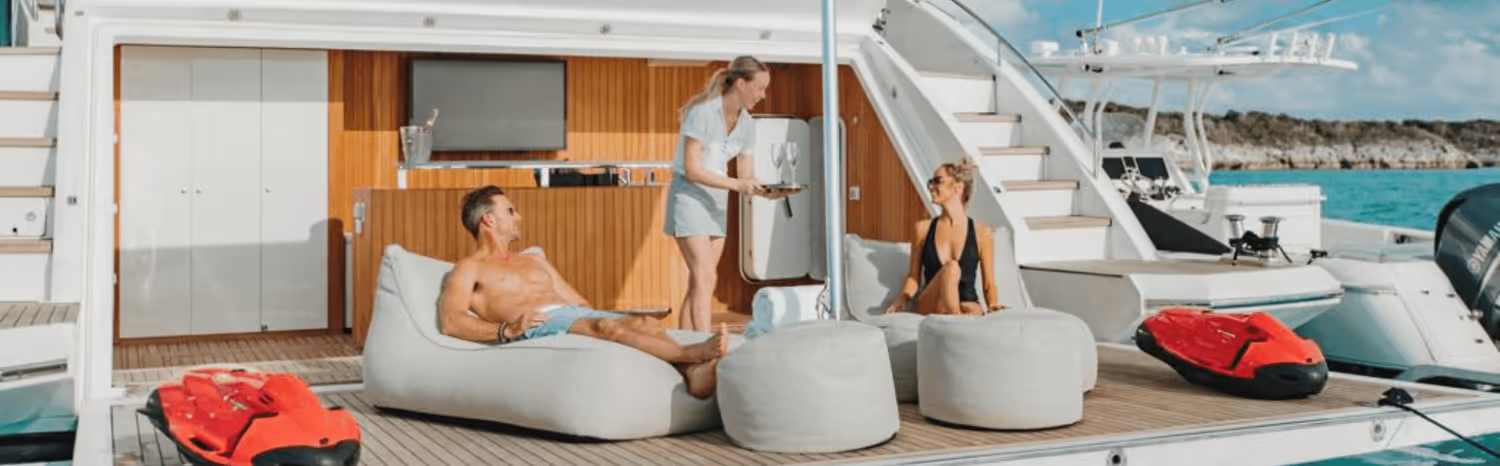
The tender and water toys. The toys a yacht carries are typically part of the rate, as listed for that yacht.
Linens and onboard essentials. Bed linen, bath and beach towels, and basic toiletries are usually provided.
Itinerary planning. The captain shapes the route around your interests, the weather, and safe anchorages.
Permits and port fees, only when stated. Some all-inclusive contracts cover cruising permits, customs fees, or mooring charges. Many do not, so check the agreement line by line.
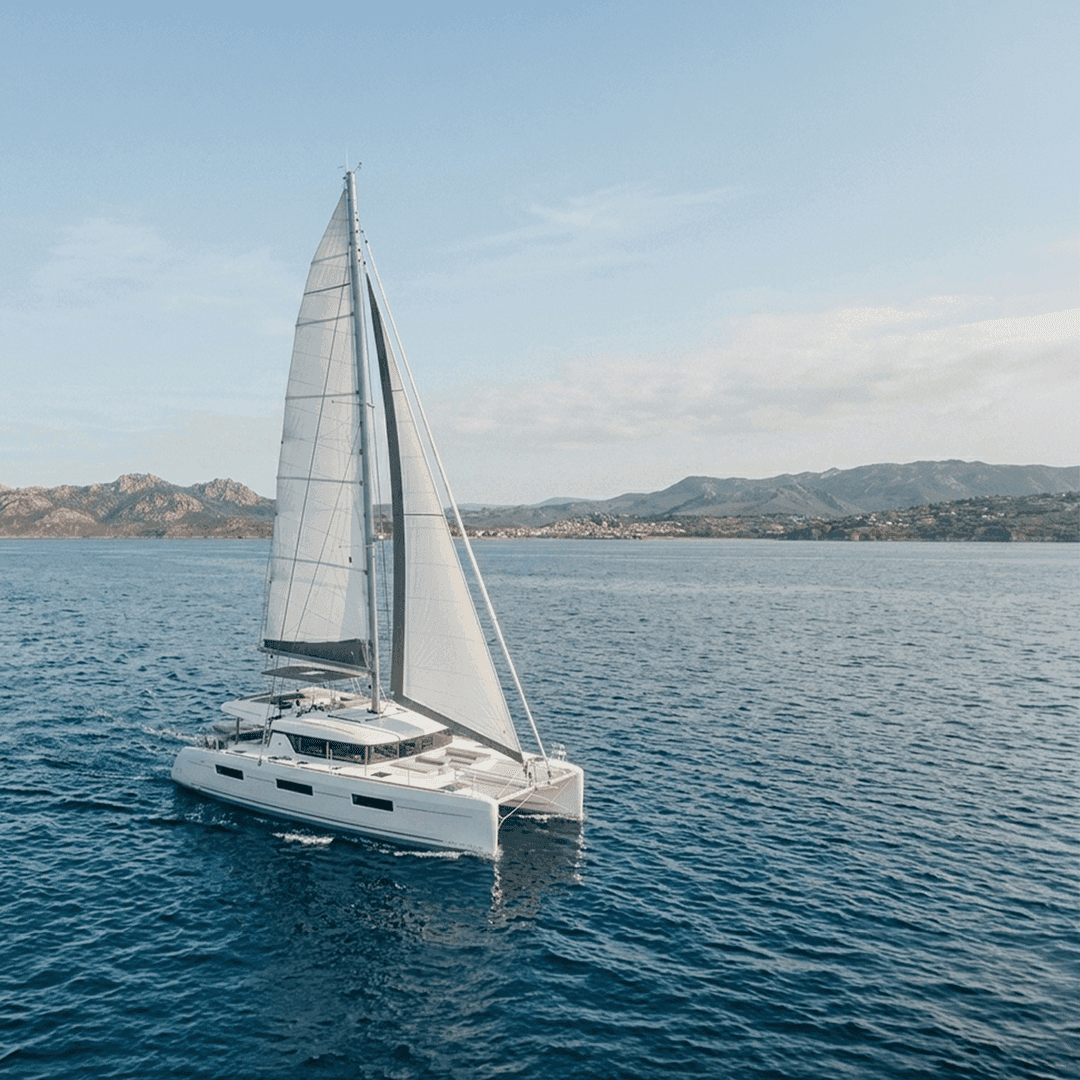
A single listing shows how specific these inclusions get. The brochure for ASCENSION, a 62-foot Lagoon catamaran in the Caribbean, details a tender, an e-foil, paddleboards, snorkel gear, and fishing gear on board. The same brochure lists scuba as rendezvous diving only, which means dives are arranged with a shore-based operator.

What is Usually Not Included in a Yacht Charter
Some costs sit outside almost every charter rate, while others depend on the yacht, the destination, or the contract. The two lists keep those groups apart.
These costs fall outside the rate on any contract:
Crew gratuity. A gratuity is customary but discretionary, and it is not part of the charter fee on either model.
Flights, hotels, and airport transfers. You arrange these around the embarkation port your broker confirms.
Meals and activities ashore. Restaurant dinners, excursions, and tours on land are paid separately.
These costs depend on the yacht, the destination, or the contract:
VAT and local charter taxes. Most charter rates exclude value-added tax (VAT) or local tax, whichever pricing model the yacht uses.
Cruising permits and government fees. In the British Virgin Islands, for example, charter yachts need a cruising permit charged per person per day.
Premium wines, spirits, and special provisions. A specific Champagne, a vintage wine, or a specialty ingredient is often billed at cost.
Scuba diving and specialist watersports. Some yachts include diving for certified divers, while others charge a fee or use an outside operator.
Marina berths. A night in a premium marina may fall outside the package, even on all-inclusive terms.
Extra fuel and itinerary changes. Cruising beyond the daily allowance, long passages, or heavy jet ski use can add fuel charges.
Requested services. Anything beyond the yacht's standard service, such as a private event setup, may be quoted separately depending on what the setup involves.
Treat each yacht on its own terms. Two catamarans in the same harbor can operate under different contracts.
All-inclusive and Plus-expenses Yacht Charters Compared
A plus-expenses charter separates the base charter fee from the running costs of the trip. The base fee covers the yacht, its equipment, the crew, and insurance. Food, drinks, fuel, dockage, and similar costs are billed at cost through an advance provisioning allowance.
These are often called MYBA terms, after the Worldwide Yachting Association, formerly the Mediterranean Yacht Brokers Association. Most larger charter yachts quote this way, including many that spend the winter in the Caribbean.
The table compares how each model typically treats the main costs. Rows marked as varying depend on the specific contract.
Expense or service | All-inclusive charter | Plus-expenses charter |
|---|---|---|
Yacht and equipment | Included | Included |
Captain and crew wages | Included | Included |
Meals and snacks | Included | Paid from the APA |
Standard drinks | Included | Paid from the APA |
Premium drinks | Often extra | Paid from the APA |
Fuel | Included up to a daily limit | Paid from the APA |
Water toys on board | Included | Included, with fuel paid from the APA |
Dockage and port fees | Varies by contract | Paid from the APA |
Cruising permits | Varies by contract | Paid from the APA |
VAT or local tax | Usually extra | Usually extra |
Crew gratuity | Extra and discretionary | Extra and discretionary |
How the Advance Provisioning Allowance Works
The advance provisioning allowance (APA) is a fund you pay before the charter to cover running costs on a plus-expenses yacht. It is set as a percentage of the base charter fee, commonly about 25 to 40%. The exact figure reflects the yacht's size, fuel efficiency, and cruising area.
The captain manages the APA, pays suppliers, and keeps receipts. You can ask for a running balance during the trip. At the end, you receive a full statement: unused funds are returned, and any shortfall is settled before you leave the yacht.
Some yachts let you settle the crew gratuity from an APA surplus. That is a payment method, not an inclusion, because the gratuity is not an APA expense.
How to Compare the Two Quotes
Headline rates are not comparable across the two models. To compare fairly, estimate the total expected cost of each yacht for the same week.
Take a plus-expenses yacht listed at $60,000 per week with a 30% APA. The APA adds $18,000, so the working budget is $78,000 before tax and gratuity. Set that figure beside an all-inclusive quote for the same dates, then add each yacht's taxes and fees.
Neither model wins in every case. All-inclusive terms suit guests who want a predictable figure on a small or mid-size yacht. Plus-expenses terms suit guests who want a larger yacht, longer passages, or specific wines, and who prefer paying actual costs.
Food and Drinks on an All-inclusive Yacht Charter
Food and standard drinks are the clearest benefit of an all-inclusive charter. Before departure, you complete a preference sheet covering meals, allergies, dietary needs, favorite dishes, and drinks. The chef provisions from it, so the detail you give shapes every meal on board.
Menus vary by yacht and chef, and sample menus on listings give a realistic sense of style. Ask whether the chef cooks every meal on board or whether the contract assumes some dinners ashore. Some Eastern Mediterranean terms include only breakfast and lunch, on the expectation that guests dine in port. For a closer look at onboard dining, see the guide to gourmet cuisine on private yacht charters.
For drinks, the standard bar usually covers soft drinks, local beer, and table wine. Specific labels, premium spirits, and Champagne are often extra. Some Caribbean sailing yachts quote all-inclusive rates with the bar billed separately at cost, and a few offer half-board rates with some meals ashore.

Is Fuel Included in a Yacht Charter
Fuel is included on most all-inclusive charters, but only up to a limit. Many contracts allow about four hours of cruising per day, which suits a relaxed island-hopping itinerary. On plus-expenses charters, all fuel is billed at cost through the APA.
Several factors raise yacht charter fuel costs. Longer or faster passages, a motor yacht rather than a sailing yacht, heavy tender or jet ski use, and running the generator at anchor all add consumption. If your itinerary covers long distances, ask the broker to estimate fuel against the yacht's allowance before you book.
What the Crew Does During Your Charter
The size of the crew depends on the yacht. A 62-foot catamaran such as ASCENSION sails with three crew, while larger yachts add stewards, deckhands, and engineers. On a typical crewed yacht charter, the work divides into four roles:
The captain. Responsible for safety, navigation, and the itinerary, which shifts daily with the weather and your plans.
The chef. Plans and cooks meals from your preference sheet, often with local produce.
The first mate or deckhand. Handles anchoring, the tender, and the water toys, and often teaches watersports.
The steward or stewardess. Looks after cabins, table service, and the rhythm of the day on board.
On smaller yachts, roles overlap, and a first mate may also serve as host. The aim is attentive service that leaves room for privacy.

Why Not Every Yacht Offers All-inclusive Terms
Pricing terms follow the yacht and its market more than the destination alone. All-inclusive rates are most common on smaller crewed catamarans and sailing yachts in the Caribbean, especially the Virgin Islands. Larger motor yachts and superyachts usually quote plus expenses, even in the Caribbean.
Most crewed yachts in the Mediterranean quote plus expenses, although Turkish gulets and some Eastern Mediterranean yachts use inclusive packages that vary widely. In EU waters, VAT depends on the country where the charter starts and on the itinerary. The same weekly rate can therefore carry a different tax in Greece, Italy, or France.
On Ritzy Charters listings, each weekly rate carries an All Inclusive or Plus Expenses label. Treat that label as a starting point, then confirm the terms in the yacht's contract. The Caribbean yacht charter and Mediterranean yacht charter guides show how the fleets differ by region.
Confirm What is Included Before You Book
Ask these questions before you sign, and make sure the answers appear in the charter agreement:
Are all meals and standard drinks included, and which brands count as standard?
Is fuel included, and how many cruising hours per day does the rate cover?
Which water toys come at no extra charge, and which use fuel billed separately?
Are taxes, cruising permits, and port fees included?
Is an APA required, and at what percentage?
Which other costs belong in the budget, such as marina nights or diving?
Is crew gratuity separate, and what range does the yacht suggest?
Which special requests or provisions carry an extra charge?

Know What Your Yacht Charter Includes Before You Book
What is included in a yacht charter comes down to the pricing model, the contract terms, and the specific yacht. Read the inclusions on the listing, confirm the limits in the agreement, and compare total expected cost rather than weekly rates.
If you are weighing yachts, destinations, or dates, a broker can explain the terms behind each option. Contact a Ritzy Charters broker to discuss your preferred dates and destination.
About Ritzy Charters
Ritzy Charters is a premier luxury yacht charter company specializing in crewed yacht charters throughout the Caribbean, Mediterranean, and beyond. With decades of combined experience, our team of charter specialists will help you plan the perfect yachting vacation, from selecting the ideal yacht to crafting a custom itinerary.
About The Author
Justina Jarrige
Senior Marketing Specialist
Justina brings a refined design sensibility and a strategic marketing mind to the Ritzy Charters brand. Based in Buenos Aires, she has built her career working...
Justina brings a refined design sensibility and a strategic marketing mind to the Ritzy Charters brand. Based in Buenos Aires, she has built her career working...